How RaktKhoj won Build What Moves India
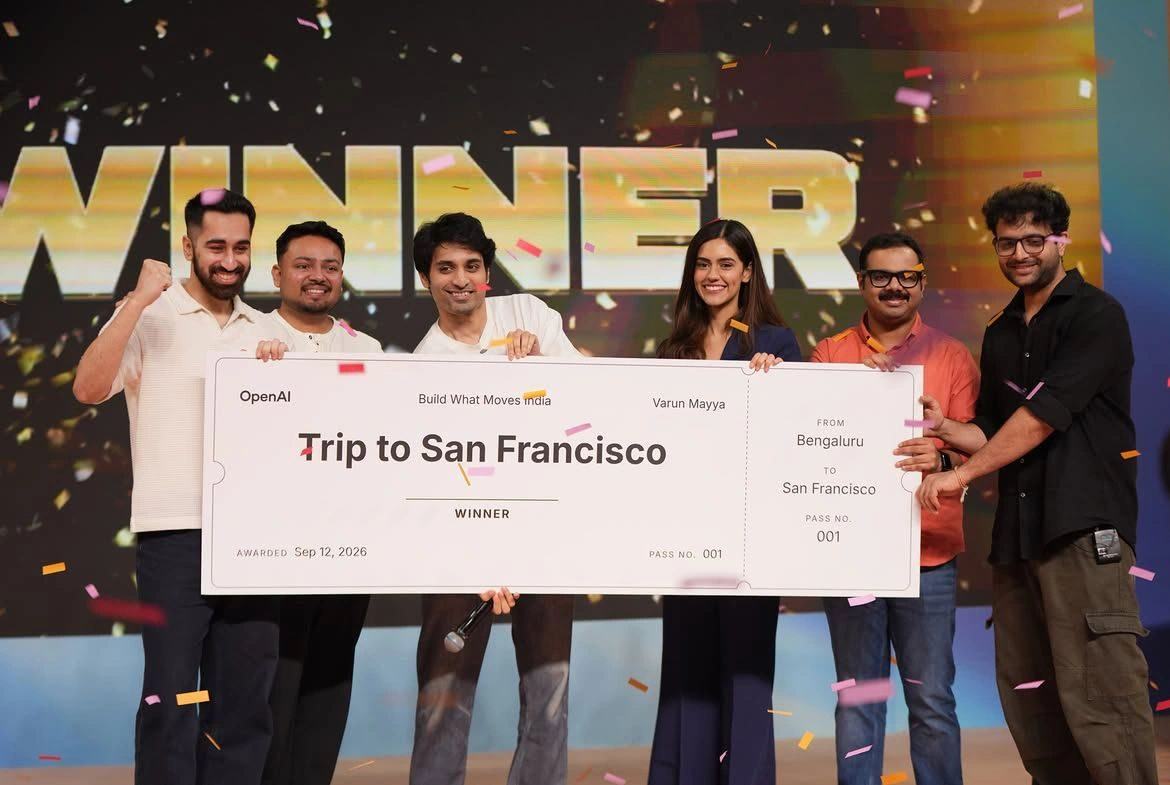
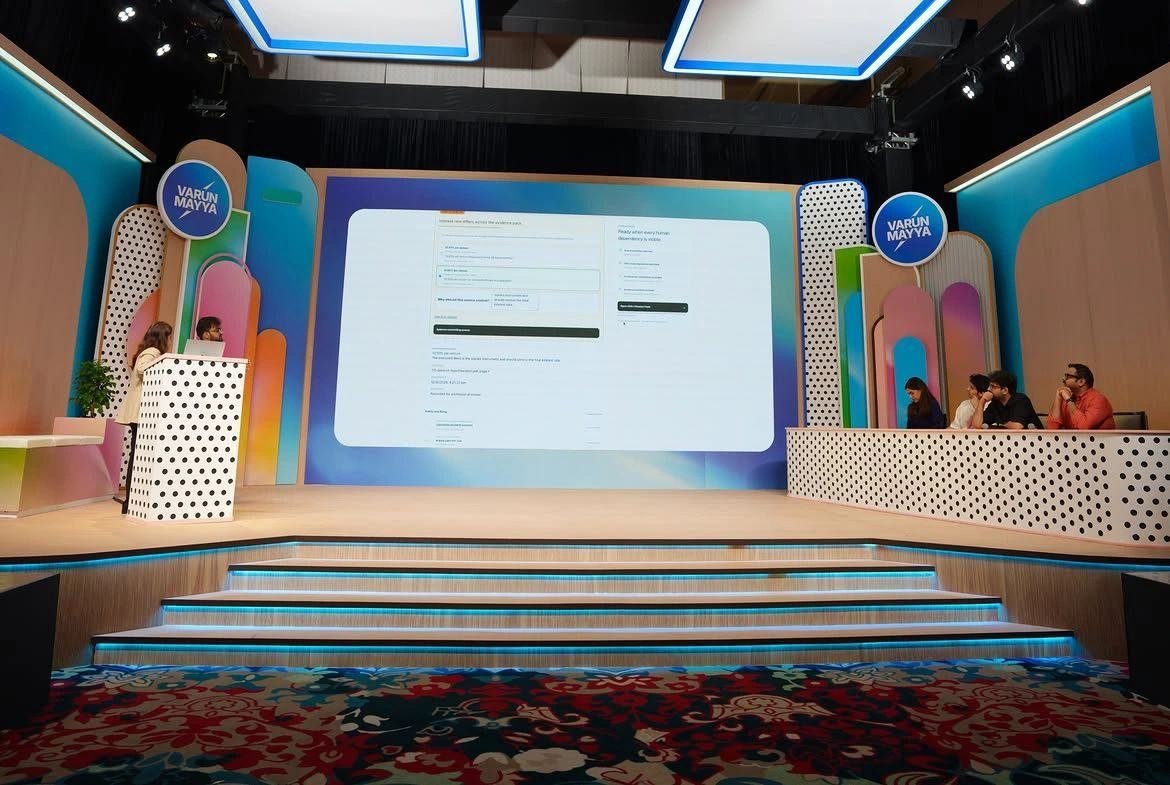
Two weeks before the finale, my co-builder Gurjot Singh Ahluwalia and I took a shot at Build What Moves India, a hackathon by Varun Mayya and OpenAI. We built RaktKhoj, an improvement on the Government of India's e-RaktKosh blood bank platform. 13,000 people registered, 250 got a week of mentorship, 10 presented live in Bengaluru, and 3 won. We were one of the three. The prize was a trip to San Francisco.
The problem
e-RaktKosh can tell you whether a nearby blood bank has stock. If it has none, there is no next step. More than 28 lakh donors have registered on the same platform since 2022, and none of them can be reached by someone who needs blood.
Rakt kosh means a store of blood. Rakt khoj means the search for it. One letter apart in Devanagari.
What RaktKhoj does
A person arranging blood for a family member opens RaktKhoj and gives the blood group, the number of units and the component, one question per screen. Location is picked up automatically, so nobody has to type a hospital name while distressed.
- If a nearby blood bank has stock, the app routes straight to it.
- If not, the request goes to matched donors on WhatsApp, widened to every compatible blood group, and the family can see who has accepted.
- Donor eligibility takes under a minute: long-term history is answered once at registration, and time-sensitive questions arrive as a few yes-or-no taps on WhatsApp.
- Text switches language, answers can be spoken, and text-heavy steps are read aloud.
- The desktop version is for donors, not emergencies, because nobody opens a laptop in a hospital corridor.
How we got there
- We designed for one person. A relative standing in a hospital corridor at two in the morning with only a phone. Every decision followed from that.
- Gurjot knew the user, I knew the product. He mapped the whole journey in FigJam before we wrote any code.
- We vibecoded it. Two weeks, moving fast, and letting AI tools handle the plumbing so we could focus on the problem. Neither of us is a trained software engineer. Gurjot is a senior product designer trained as an architect. I come from marketing, business development, film and AR/VR.
- We fixed a missing connection, not a missing resource. The donors are registered and the blood banks are listed. Nothing needed new data, new donors or new budget.
What is next
RaktKhoj was built and demoed on mock data, as the rules required. Since then we have tested it against the data currently available on e-RaktKosh and confirmed it is compatible. The next step is taking it live, which means working with the government and the Ministry of Health, together with OpenAI and Varun Mayya's team.
We have opened pre-registrations with a target of 10,000 sign-ups to show real demand. Support it at raktkhoj.org/pre-register, or see the project at raktkhoj.org.
RaktKhoj is an independent prototype. It is not affiliated with, endorsed by, or connected to any government body or platform. No live government system was accessed in building it, and all donor data shown in the demonstration is simulated.
Original post on LinkedIn: linkedin.com